What? Open inquiry is a purposeful time of our day lasting about 45 minutes, where students engage in a variety of learning engagements that are connected to our learning objectives.
How? Open Inquiry is set-up as stations around the Hub that student’s “sign-up” for. At the beginning of the year, we asked students each day which station they would like to engage in first and then either wrote their name or moved their photo marker to visually represent the sign-up. Towards the middle of the year we introduced students keeping track of their own movement between stations with a personal Open Inquiry checklist. Students know that they do not need to stay at the same station for the entirety of the time, but should be engaged in each activity for an extended period of time, minimum of 15 minutes of engagement to start. The student’s checklist was further modified to include “must-dos” and “can-dos” to allow choice, but also highlight various stations that throughout the week they must attend. A teacher is always present at a “must-do” station to also document which students have engaged in that activity, although primarily it is the child’s job to recognize if they have or have not done the learning engagement yet for the week.
Why? Open Inquiry is really about students being able to explore their interests in connection to a broader theme. It’s also a time where real thoughtful differentiation can occur that meets kids where they are in terms of their readiness level and best methodology for learning. Prior to implementing Open Inquiry in the Hub environment, we would have daily free play time. Although we still incorporate free play periodically throughout the week, allowing students complete choice over any engagements in the space, we found that not only were students going to the same area again and again but many students didn’t know where to go at all. Open inquiry gives students opportunity for discovery, for enrichment in our learning and for being a Risk-taker and trying new things. Since we change the engagements weekly, students have enough time to explore the stations put out and go back to a favorite before they’re ready for a new challenge.
What does this look like in connection to a Unit of Inquiry?
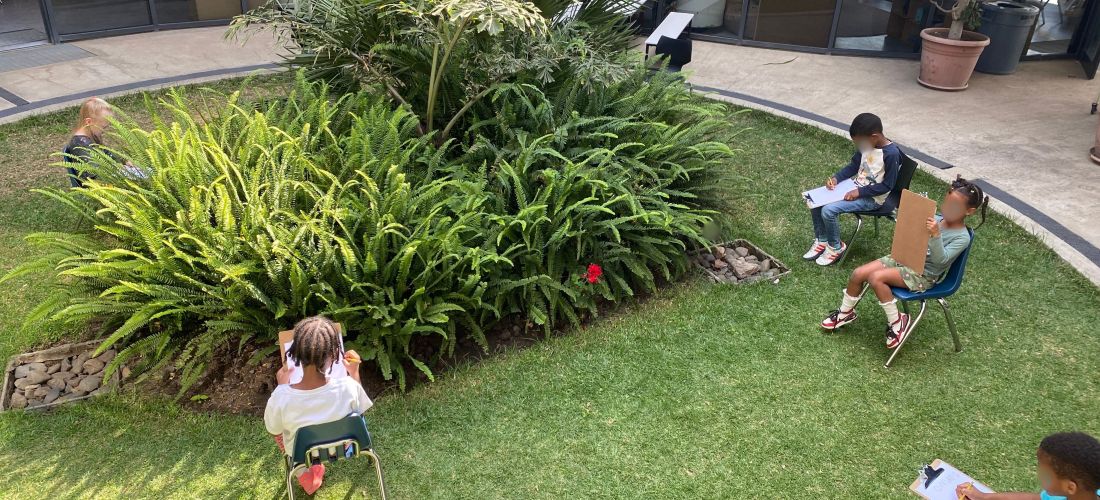
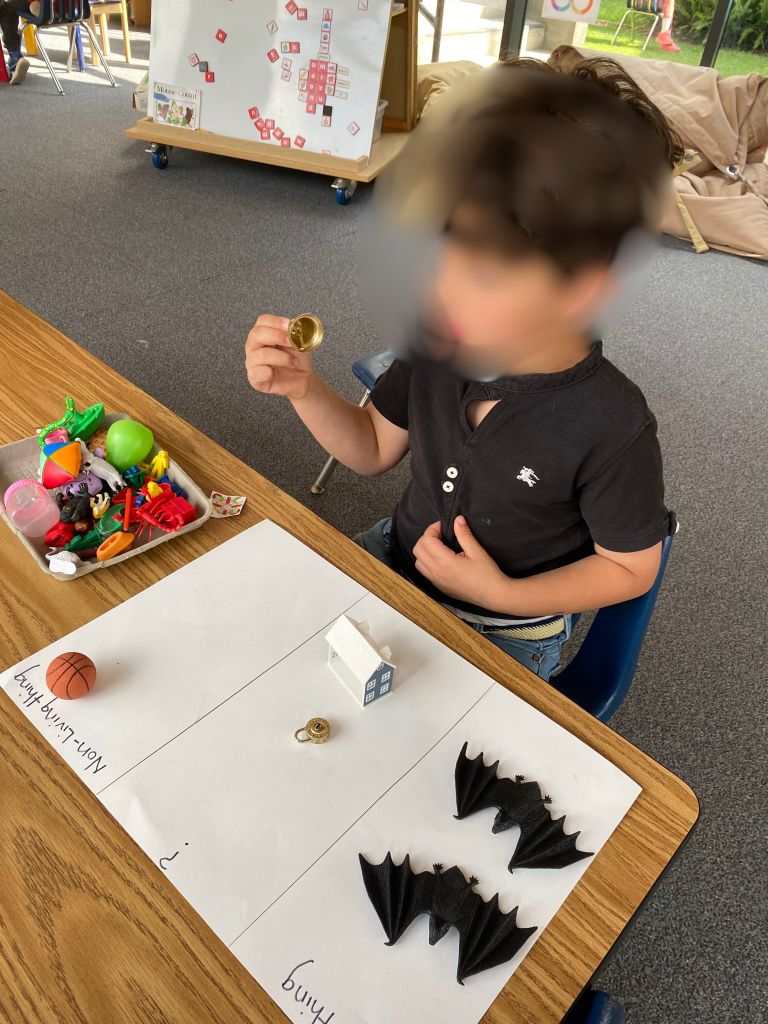
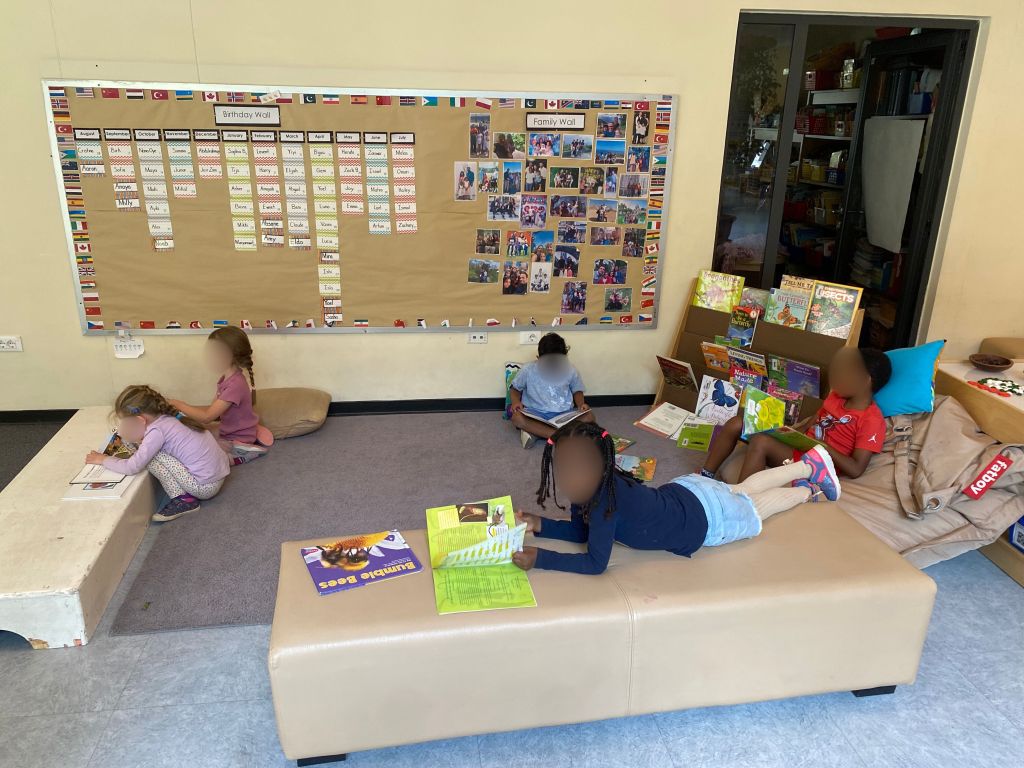
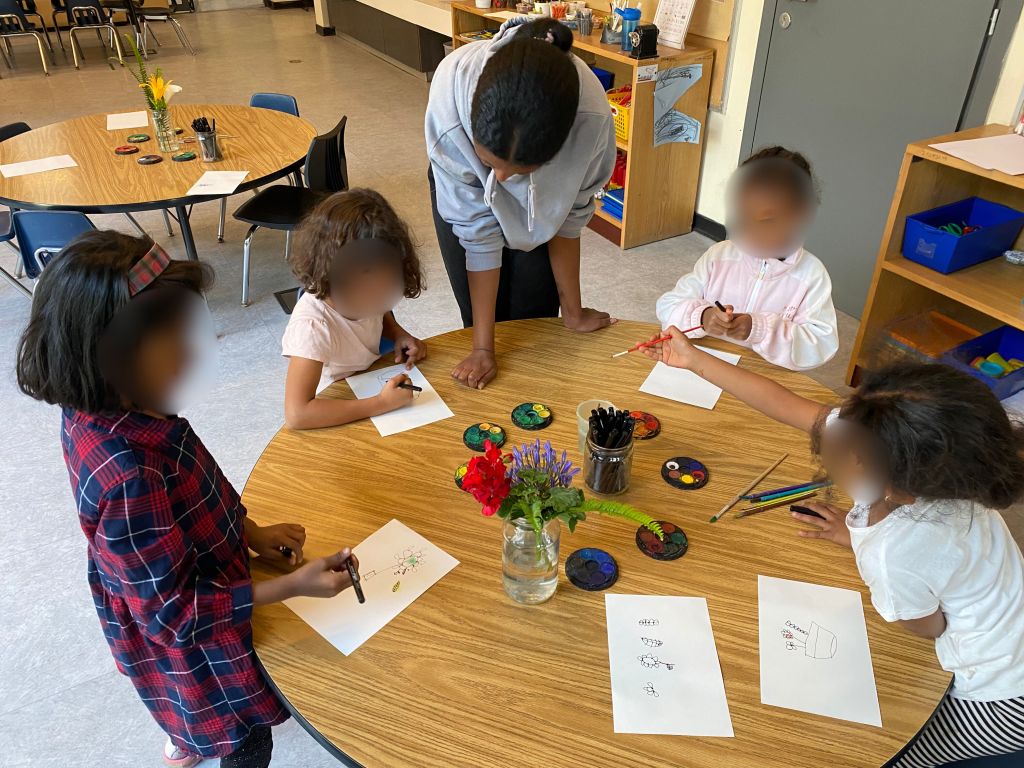
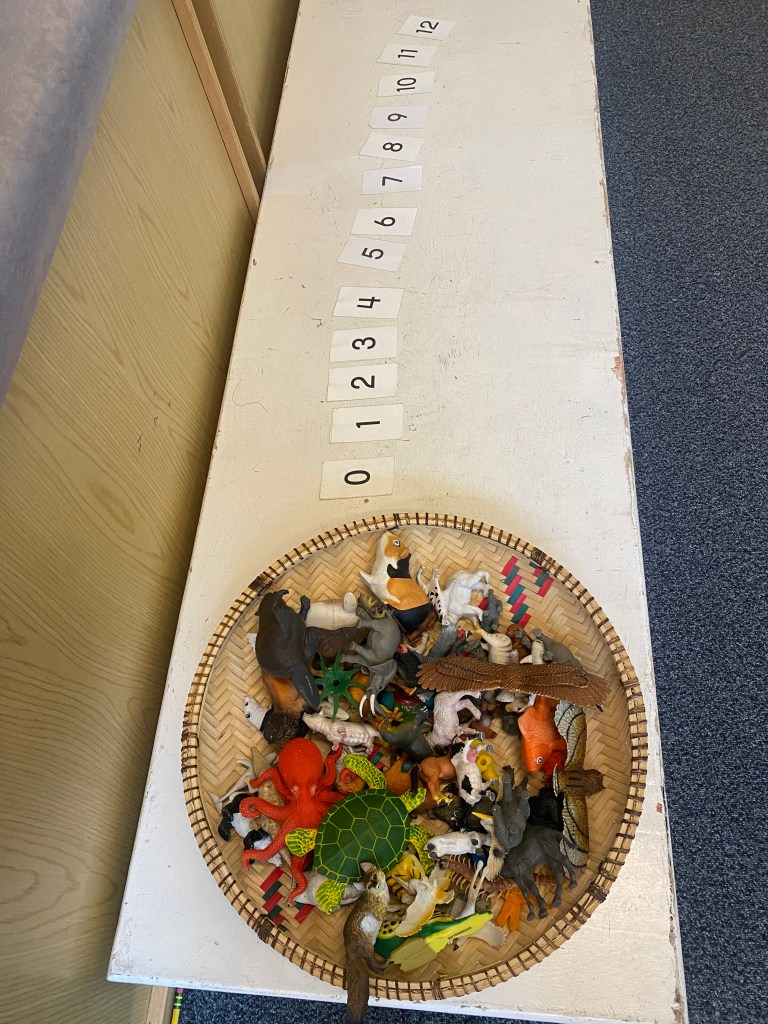
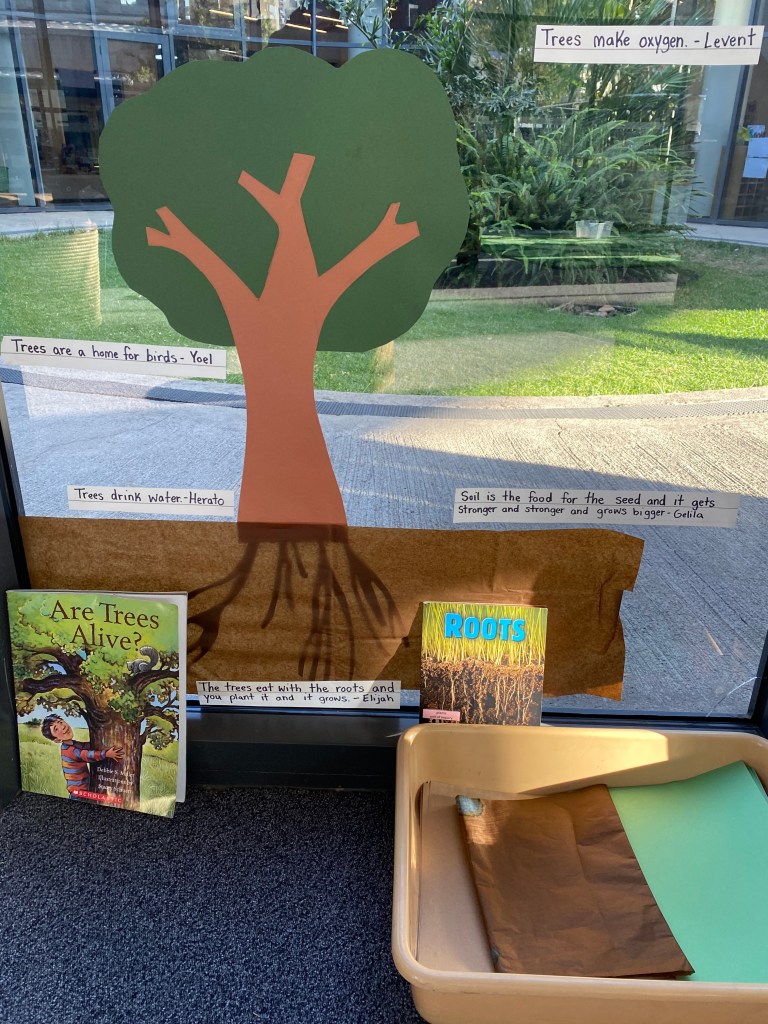
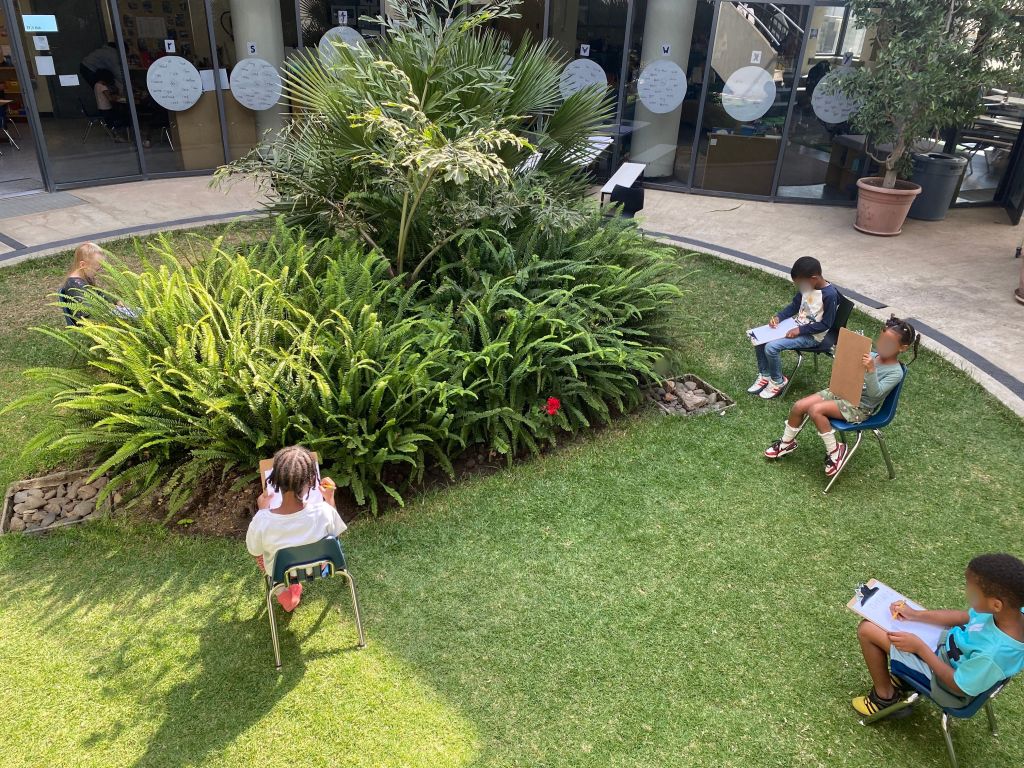
Let’s take a look at what stations could look like for a Unit of Inquiry. Below is what one week of Open Inquiry looked like last year during our Sharing the Planet Unit on Living Things. We were careful to ensure that the learning engagements covered a variety of skill areas both academic and ATLS. With the stations below in additional to learning about the unit students will work on their counting and cardinality, reading/book handling, close observation skills, sorting skills, and fine motor skills.
PYP Sharing the Planet
Central Idea: Caring for living things grows from learning about nature’s cycles and how we depend on each other.
Lines of Inquiry:
- Living things and their life cycles (change)
- How habitats make it possible for living things to meet their needs (connection)
- How humans can take action to protect living things in their environment (responsibility)
 Sonia Richmond